Reading headlines from Ireland over the last few weeks was strange because I could have sworn I’d read them before…and I have. Hunger Strike commemorations, anger over parades, riot police protecting interlopers over residents, arson fires at community centers, the birth of new political parties, and spies in the IRA have dominated the media of late. The anger, frustration, and general sense of “what the fxck” that came with it all was a bit stronger in the last couple of weeks than it has been in much of the last few decades. The pictures, headlines, and videos gave me a sense of foreboding and a lingering confusion which kind of felt like I was having a bad flashback. Unfortunately, that was not the case.
Tag Archives: Irish Politics
The death of De Valera
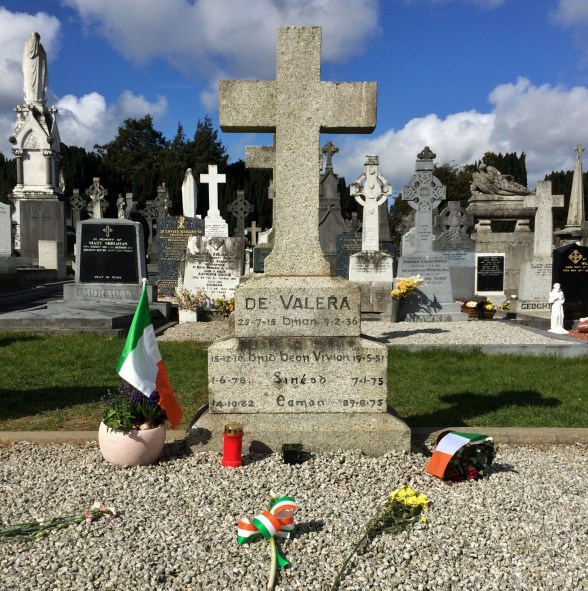
Love him or hate him, Eamon De Valera was perhaps the most influential man in Irish History, despite the fact that he was born in the United States. He helped create the political machine of modern Ireland and his influence is still being felt (and untangled) today, forty-one years after his death.
Moore Street, take 20
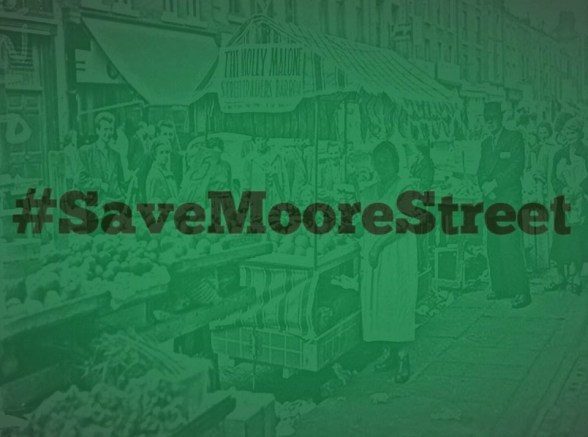
I never get to quit talking about Moore Street. Hopefully one day that will change, but so far this has not been the case. These days backroom deals and crooked politicians are commonplace and a world-wide problem but one of the most egregious examples of that type of thing is the continuing battle over Moore Street in Dublin.
Free Anna Harvey

I haven’t written much about my month-long journey through Ireland culminating with the Centenary because to be frank, I am left speechless by most of it. I have no words to convey how much it changed me and how blessed I was to connect with so many amazing people. Many of the greatest moments of my life happened on this trip, including being one of the Constance Markievicz 1916 Societies standard bearers near the forefront of the centenary parade(s). I still can’t believe that happened and I owe the honor to a couple of incredible women named Anna Harvey and Emma Radford.
Arrest the Shinners
The English government could never really figure out how to deal with Sinn Fein or its increasing popularity after the Easter Rising of 1916. They blamed the insurrection on the “Shinners” even though the burgeoning political party had little to do with the battle and they were surprised when much of the Irish population flocked to the organization after the government executed all the leaders of the Rising. They tried to downplay Sinn Fein’s popularity and remove its influence on many occasions, but most of the time whatever they tried had the opposite result. The same was true when the government decided to arrest nearly every leading ‘Shinner’ in Ireland ninety-eight years ago today.
Stop the Executions
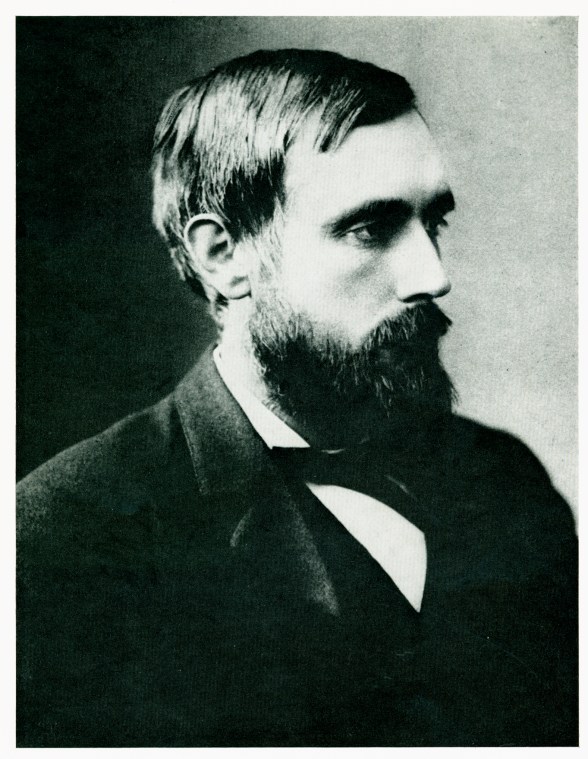
After the Easter Rising of 1916, Dublin was a shell of a city. The force used by the English to put down the uprising had reduced a large portion of the city to rubble and ash, and the citizens were starting to show their anger. During the actual battle, many were frustrated with the fighters on both sides who were keeping them from their jobs, their paychecks, and their daily lives, but when their very livelihood and their homes were threatened by the indiscriminate shelling, even those who were not political, raised their voices against the onslaught.
Mother of the Revolution
In honor of Margaret Pearse who died 84 years ago today I thought I’d share the bit I wrote about her in my book, Petticoats, Patriots, and Partition. Many women suffered incredible loss during Ireland’s revolutionary period, but Margaret had a special kind of pain, losing both of her only sons. We are days away from their commemoration times and remembrances, so I thought Margaret should have hers too.
Hell No, We Won’t Go

In 1918 it was nearly impossible to get the Catholic church, politicians, working class citizens, labor unions, suffragettes, Unionists, and Irish Nationalists to join together for anything. Ireland was still reeling and recovering from the Easter Rising of 1916, which most of these groups were still arguing over (as they are still doing today), but there was one proposal that unified them all – the Home Rule/Conscription law. Continue reading
An Unrepentant Pagan
On this day inn 1946 Ireland lost a powerful voice when Ms. Hanna Sheehy Skeffington passed away. She was one of the country’s most independent and fierce women who always fought for equal rights, for peace, and for Ireland, even when those beliefs cost her dearly. Hanna was indomitable and as she reminded her son before her death, she was an unrepentant pagan. Continue reading
Roddy Connolly
Roderick James Connolly took following in his father’s footsteps quite literally. He was born on this day in 1901 and was the only son of Lillie and James Connolly. James was a devout socialist, a revolutionary leader, and one of the men executed for leading Ireland’s Easter Rising in 1916. “Roddy” as he was known, was only fifteen when his father was killed which affected him for the rest of his life. Roderick was driven by the same devotion to socialism that his father had believed in and later in life he went into journalism and politics, just like his dad had before him.
 Choosing the Green
You must be logged in to post a comment.