The conflict known as the Troubles was a long war on many fronts. There were some people fighting against those they saw as invaders and oppressors and others fighting to show how loyal they were to the country they felt part of. There was also a propaganda war being fought as various groups tried to reach sympathetic audiences (and large pocketbooks) around the world. The third battleground was the deadliest of all and it was comprised of all the tit-for-tat, mostly Sectarian killings between various paramilitary groups. This last front resulted in the vast majority of civilian deaths throughout the region and it was the hardest to prepare for or justify. It includes the Devil’s Night massacre at the Rising Sun bar in Greysteel, which happened on this day in 1993.
Category Archives: Irish History
Robert Emmet Day
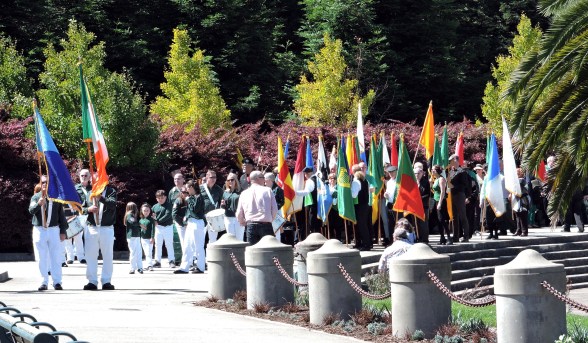
San Francisco does a lot to stay in touch with its Irish roots and Ireland in general. The St. Patrick’s Day Parade in San Francisco is still one of the largest in the country and the Irish community in the Bay celebrates the parade even when it’s six months away. The “Halfway to St. Patrick’s Day” weekend party culminates in a gathering at Golden Gate Park in the heart of the city. This park event is also referred to as Robert Emmet day, because the festivities include laying a wreath at the base of his statue, located right in the middle of the park.
Massacre at Ballymurphy
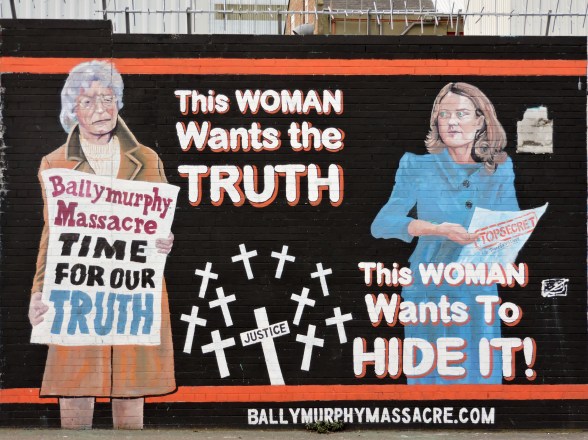
While I’m on the subject of documentaries and links, here’s another one for those who live outside of Ireland or cannot access current news specials from outside the region. “The Massacre at Ballymurphy,” is a shortened version of “The Ballymurphy Precendent,” a new documentary by Callum Macrea. It has been causing quite a stir online since its debut on Channel Four last weekend and has sent massive waves throughout the North of Ireland and beyond.
No Stone Unturned

Living in California has its pros and cons. The weather is great but the strong Irish communities here don’t get as much love as they do in New York or Boston. It’s rare that the West Coast gets concerts, political visits, or films out of Ireland but that’s not to say that we don’t seek them out. We do have fairs, film festivals, and other events throughout the year but to see current news and films, we often have to trick the location sensors in our internet browsers so we can scour the internet for hours on end until we find an article, a link, or a video. That determination is how I’ve been lucky enough to see many fine Irish films, despite their lack of distribution in the states. This list now includes “No Stone Unturned,” a riveting and super important documentary by Alex Gibney about the brutal, “unsolved” murders of six people in a Loughinisland, County Down pub during the 1994 World Cup.
Civil Rights

In the civil rights arena, America gets a lot of the press and always has. Many of the worst atrocities and biggest conflicts in the movement happened in the United States, and they continue to happen to this day. Hollywood has made plenty of movies chronicling the American fight for civil rights, including one about the fateful march from Selma in 1965 that raised awareness and inspired equality all over the world, especially in the north of Ireland where another civil rights movement was being born.
No Guns For You
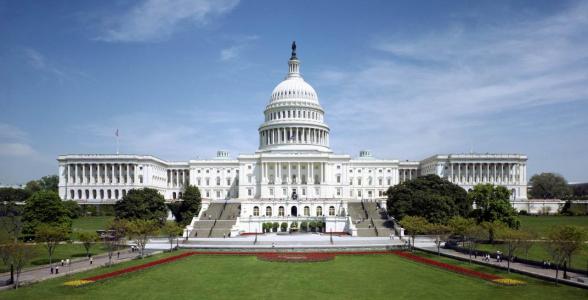
Once upon a time, the American government worked. Bipartisan agreements made sure laws and budgets were passed, the court system wasn’t overloaded and exhausted and Presidents were kept in check by legislators, rather than the other way round. I know it sounds like a faerie tale in today’s day and age but it is true. People in government once did their jobs. America even had a law on the books that refused support or arms to any country that was designated as a human rights abuser and it could actually take a stand against others in that arena without being a complete laughingstock. To be sure, these embargoes always depended on which lobby had the most influence on the American government at the time, but occasionally the U.S. actually lived up to its own hype. On this day in 1979, the U.S. even stood against one of its biggest allies when it refused to send arms to the Royal Ulster Constabulary (the RUC) in the North of Ireland on the grounds that the British government was violating the human rights of the citizens who lived there. To say that the powers that be on both sides of the puddle were upset by this stance would be an understatement, but there was no easy way to get around it thanks to Ad Hoc Congressional Committee for Irish Affairs.
Operation Motorman
Operation Motorman was the code name given to a mission carried out by the British Army in the North of Ireland on July 31st, 1972. The goal was to forcibly reassert control over the Nationalist and Republican areas where they were not welcome with a particular focus in the cities of Derry and Belfast. In these cities, nearly impenetrable barricades had been erected in many neighborhoods barring any soldiers from entering or policing the communities. When the Provisional Irish Republican Army detonated more than twenty bombs in Belfast on July 21st of that year, the English government decided that the “No-go” areas in these towns would no longer be tolerated and Operation Motorman was born.
The Wedding that tore Ireland apart
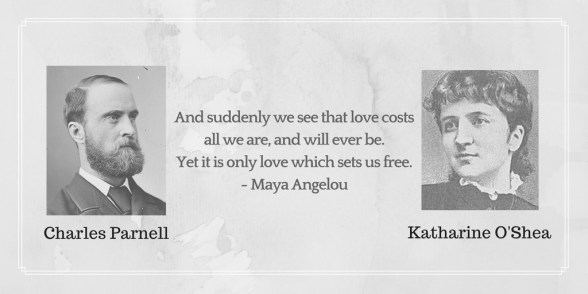
Charles Parnell and Katharine O’Shea had a love that was so strong it survived even when it destroyed both of their lives. It was able to withstand scandal, headlines, and pressure from the population, the politicians, and the church. Their affair was “the worst kept secret in London” and it torpedoed Ireland’s best chance for Home Rule. Nevertheless, they chose each other and were married on this day in 1891.
Patsy O’Hara

Patsy O’Hara was a survivor. He grew up in Derry during some of the city’s most violent years and he was hit by a soldier’s bullet at the tender age of fourteen. He lived through that ordeal and became a fighter devoted to freeing Ireland from English rule. Patsy had a keen sense of what he thought was right and a huge streak of Irish Republicanism. This combination led him straight into the Irish National Liberation Army (INLA), a militant Irish Republican group that was dedicated to forcing the English out of Ireland by any means necessary. It also eventually led him into the H-Blocks of Long Kesh Prison where he died on this day in 1981 while on hunger strike.
The mighty Margaret Skinnider
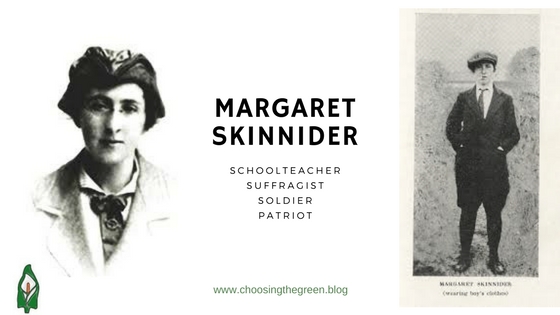
On the third day of Ireland’s Easter Rising, a woman got off her bicycle at St. Stephen’s Green and delivered the message she’d been hiding to the rebel leaders inside. Then she took off her skirts, put on a homemade uniform, picked up a rifle and headed to the roof of the building to take her turn as a deadly sniper. In between shots, Margaret Skinnider formed a plan for a bombing mission that would make the area safer for her comrades and fellow rebels.
Attempting to execute that plan nearly killed her when Ms. Skinnider was shot three times on this day in 1916. Her grave wounds earned her the distinction of being the only woman who was so seriously wounded in the rebellion and it cemented her place in Irish history. You cannot have a project that involves women in the Easter Rising without including Margaret’s near death experience so today belongs to her.
 Choosing the Green
You must be logged in to post a comment.